
Neurosciences and child justice
Joint efforts to bringing a contemporary lens to understanding the diverse impacts and consequences experienced by children within justice systems and how to support them appropriately...
Children and young people in contact or conflict with the law often have neuro-disabilities (ND), which encompass various congenital and acquired conditions affecting the brain or central nervous system. These conditions include ADHD, autism, acquired brain injury, foetal alcohol spectrum disorder, and learning disabilities. Neuro-disabilities often impact cognitive processing, emotion regulation, memory, behaviour, social skills, and physical abilities.
Children with ND are more vulnerable to childhood trauma and exploitation by organized crime groups. They are at a higher risk of being placed in state care, experiencing exclusion from school, and facing difficulties accessing appropriate healthcare. They may also be involved in the criminal justice system without their specific needs being recognized or considered.
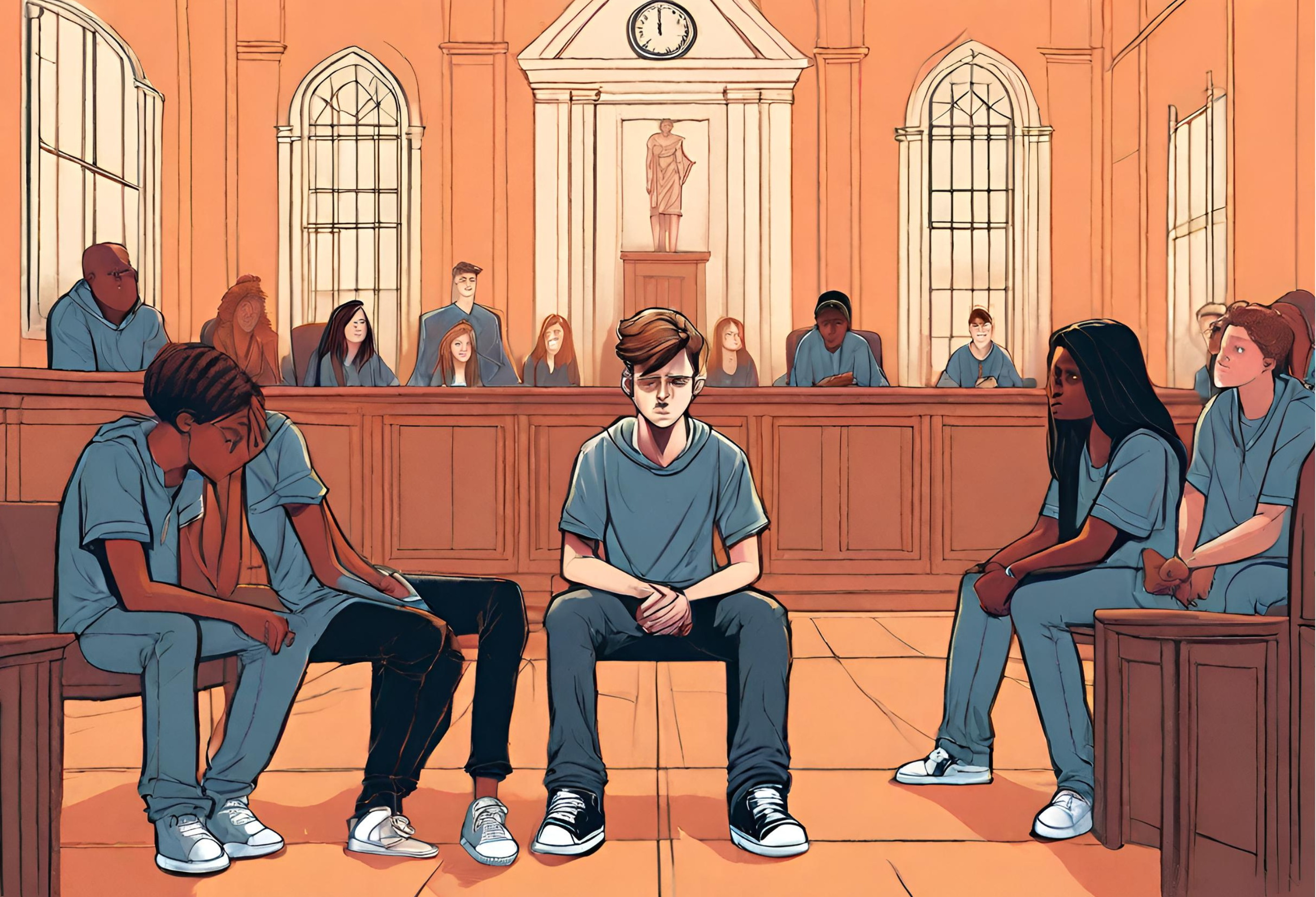
Addressing this issue requires a comprehensive approach involving criminal justice professionals, as well as legislation regarding education, health, and social care practices.The awareness of neuro-disabilities among children in conflict with the law is crucial, and gaining insights into it should be a priority for child justice professionals, encompassing judges, magistrates, police officers, lawyers, probation officers, and youth workers. This increased awareness can contribute to prevention and improved responses to ensure that children with neuro-disabilities are not unfairly impacted by the criminal justice system.