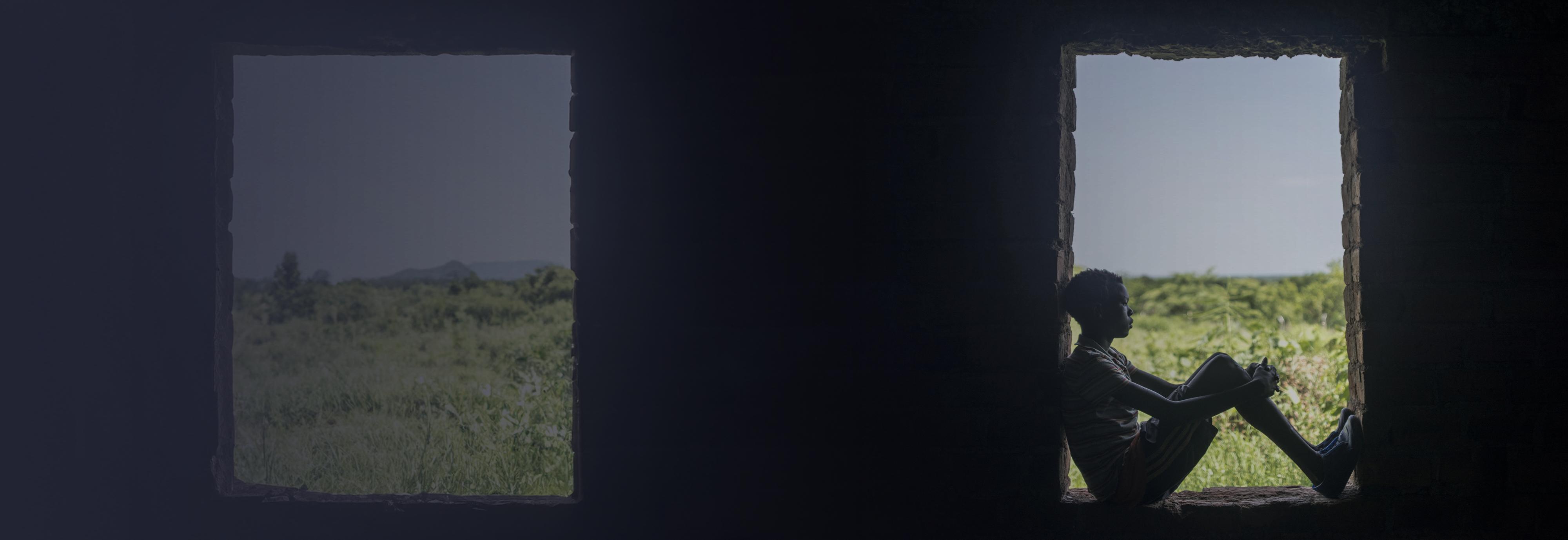
Justice in times of crises
Joint efforts to safeguard the rights of children in contact with the law, especially during times of crises...
including climate (in)justice for children, child-centered justice, and accountability for children in the context of armed conflict and insecurity, with a focus on reinforcing the resilience of justice systems for children.
Under the core theme of ‘Justice in times of crises’ we prioritize the work on accountability for and with children in the context of armed conflicts (international and non-international conflicts), extensive to conflict-related crises such as protracted conflicts and/or long-term conflicts already in a phase of any sort of transitional justice processes/measures.
Accountability for children’s rights violations refers to the means by which children, their families, and communities can indeed exercise their rights in front of states as primary duty-bearers to respect, protect, and fulfill their international and national obligations. The principle of accountability aligns with the right of access to an effective remedy and with mechanisms that provide redress to child victims of human rights violations. Hence, to uphold children’s right to justice, accountability mechanisms (judicial and non-judicial) must adopt a child rights, child-sensitive, and child-competent approach.
Fostering accountability of violations, abuses, and crimes against or affecting children contributes to ending impunity, reinforces the rule of law, and maximizes the prospects of long-term peace and security, as well as development. Strengthening accountability, in turn, reinforces the prevention of crimes against or affecting children.
Environmental crises

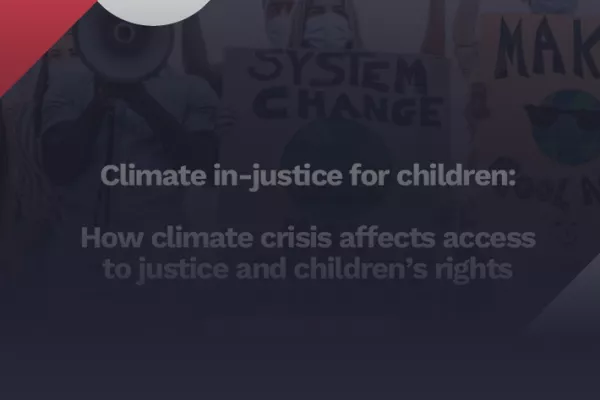
Children are disproportionately affected by the consequences of environmental degradation and climate-related disasters.
Ensuring their protection is essential as they bear the brunt of a changing climate that can disrupt their health, education, and overall well-being. Additionally, providing children with access to environmental litigation as individuals is crucial. It empowers them to participate actively in shaping policies and decisions that affect their environment and future.
Moreover, Children who are deprived of their liberty are an often overlooked and vulnerable population, facing additional challenges due to their restricted environment.
As climate change intensifies, it can result in extreme weather events, heatwaves, and inadequate access to essential resources, which can disproportionately impact children in detention facilities.
Ensuring their protection involves implementing appropriate measures to mitigate the risks and provide necessary safeguards during climate-related emergencies.
Our work



Health Crisis

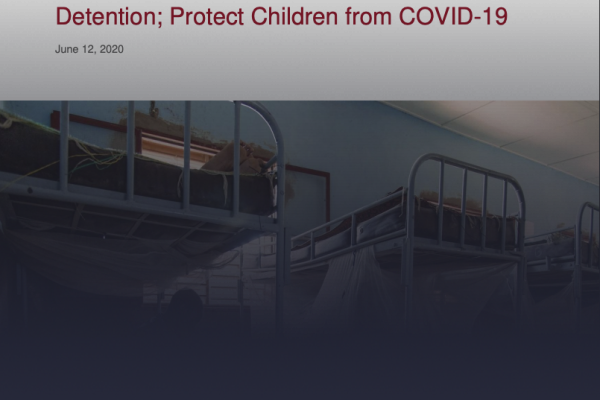
The COVID-19 pandemic posed numerous challenges that directly impacted children's well-being, safety, and access to justice. Children who entered into contact with the law faced unique vulnerabilities, including increased risks of violence, exploitation, and limited access to essential services.
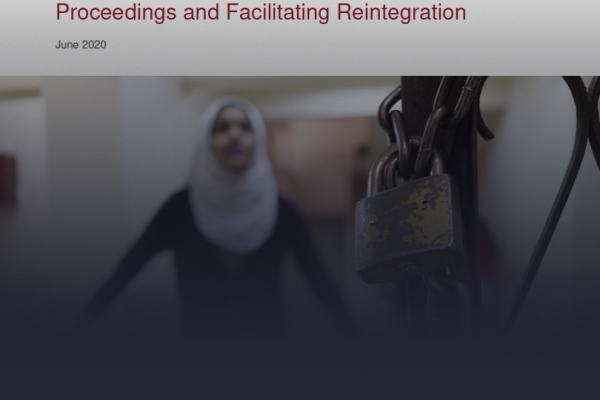
During and after COVID-19, the Global Initiative on Justice with Children and Terre des hommes called on States to release all children from immigration detention and accelerate the release of children deprived of liberty in criminal justice or protection facilities.
Urgent attention should be given to the implementation of non-custodial measures to ensure children’s safe reintegration into families and communities.
Our work
Armed Conflicts
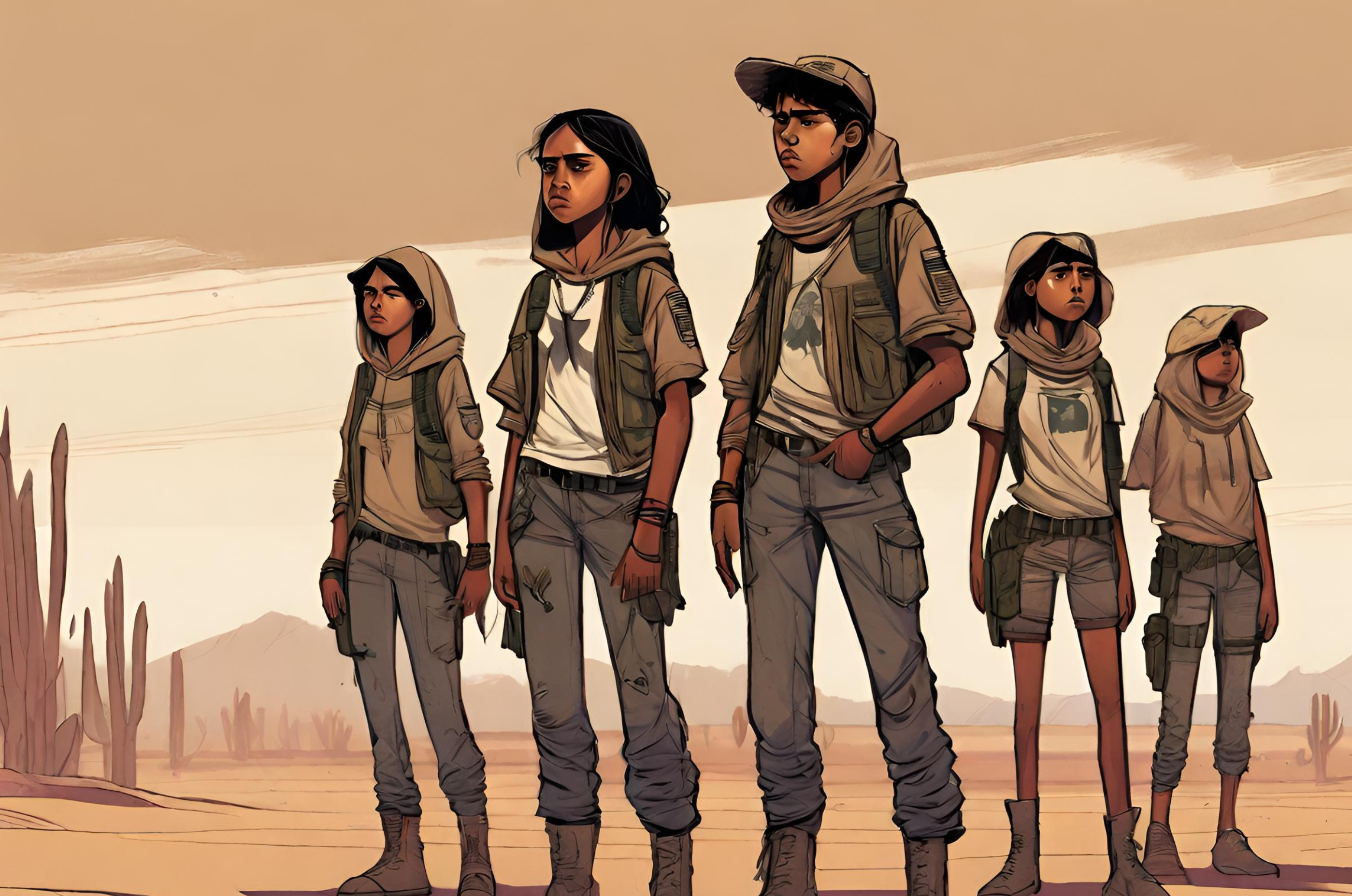
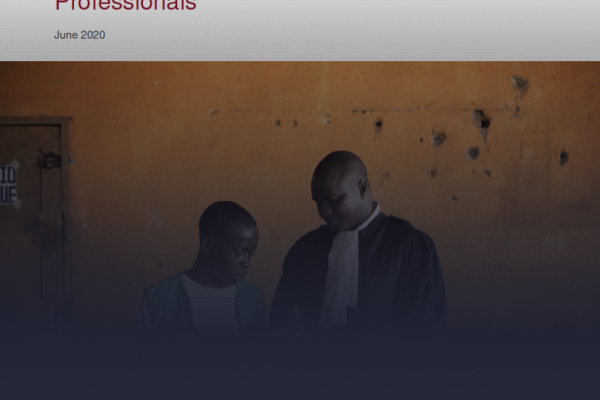
Protecting children during armed conflicts, especially those who come into contact with the law, is of utmost importance.
These children are particularly vulnerable and at risk of severe physical, emotional, and psychological harm. By providing them with protection and support, we can help mitigate the devastating impact of armed conflicts on their lives.
It is essential to ensure that children are shielded from violence, exploitation, and recruitment as child soldiers. Moreover, safeguarding their rights and well-being is crucial in preventing the perpetuation of cycles of violence and fostering long-term peace and stability.
By offering appropriate care, rehabilitation, and reintegration services, we can empower these children to overcome their experiences and reintegrate into society as productive and resilient individuals.

News

Resources